


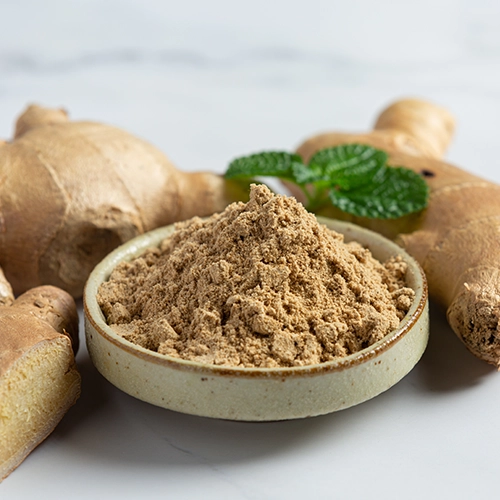
Ginger
Ginger is a flowering plant n that is widely used in both traditional and modern medicine for its numerous health benefits. The root of the ginger plant is commonly used in culinary applications, such as in gingerbread, ginger alebut it is also highly valued for its medicinal properties.
One of the primary benefits of ginger is its ability to reduce inflammation. The active compounds in ginger, called gingerols and shogaols, have been shown to inhibit the production of inflammatory molecules in the body, which can help alleviate pain and swelling associated with conditions like osteoarthritis and rheumatoid arthritis.
Ginger is also known for its digestive benefits. It can help relieve nausea and vomiting, especially in pregnant women and those undergoing chemotherapy. Ginger has also been shown to improve digestion by increasing the production of digestive enzymes and stimulating the movement of food through the digestive tract.
In addition, ginger has been studied for its potential to lower cholesterol levels and improve heart health. It may help reduce blood pressure, improve blood sugar control, and decrease the risk of heart disease.
Other potential benefits of ginger include its ability to boost the immune system, reduce menstrual pain and cramping, and relieve migraines and headaches.
There are several ways to consume ginger, including fresh ginger root, ginger tea, ginger supplements, and ginger-infused foods and beverages. Adding ginger to your diet may help you reap its numerous health benefits, but it is important to speak with your healthcare provider before taking ginger supplements or making significant dietary changes, especially if you have any underlying health conditions or are taking medications.